
Building Apps with AI
I Asked AI to Help Me Stop Wasting Food
I have ADHD. I buy groceries with good intentions, forget what I have, and rediscover things weeks, if not months, later when they’re well past their prime. Last week, I purged and went through all my food storage and extra freezer space, etc., and I threw away three full garbage cans of food. Good food. Food I paid for and genuinely meant to eat.
A while back, I was talking with a client about cool inventions. I mentioned offhand that I wished there was an app that helped me track what was in my pantry, kinda like a smart fridge but for every place you keep food - where you could scan things in and out as you buy and use them.
I’m an instructional designer, not a developer. I don't write code. But I got to thinking... I opened Claude, described my problem, and decided to find out what was possible.
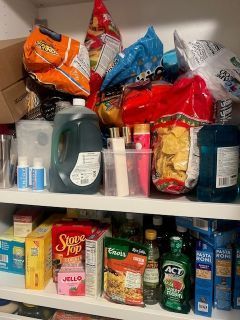
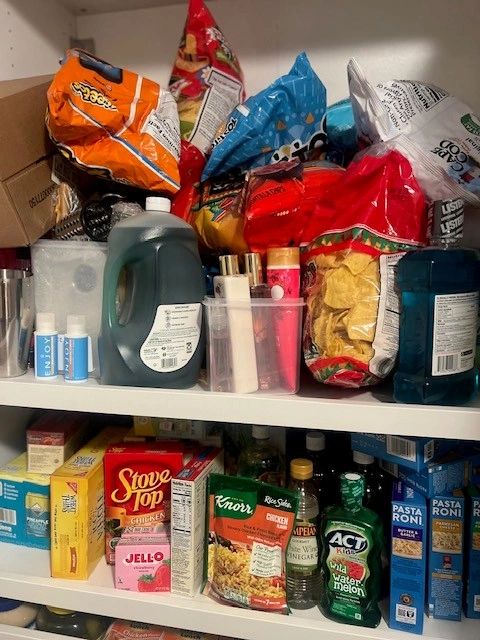
Before image - most of this went in the trash. Yes, I know you can use things past their expiration dates - some things were YEARS past.
What I Built
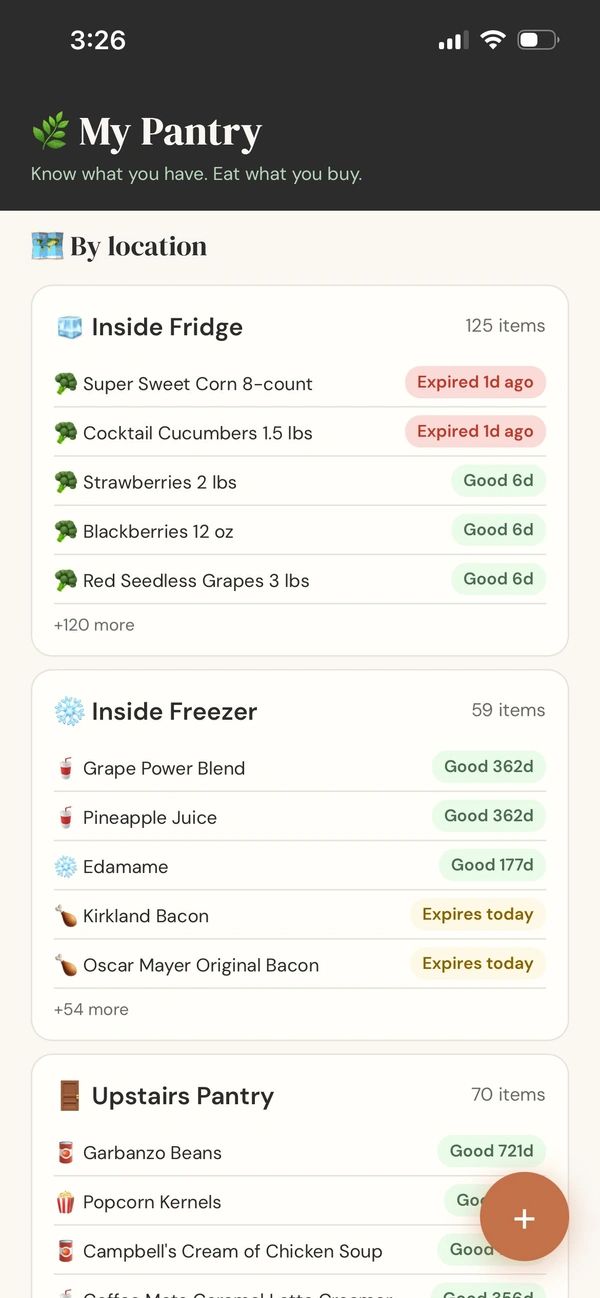
The result is a Pantry Tracker, a web app that lives on my iPhone home screen. Through a series of conversations with Claude, where I described what I needed and Claude asked follow-up questions, we built something that I am pretty darn proud of.
It photographs groceries and uses AI to identify items, with a confirmation screen before anything saves. It reads receipt screenshots from Walmart and Amazon to bulk-add purchases (this is still buggy - working on it). It tracks everything by location across my specific storage spots, inside fridge, outside freezer, upstairs pantry, food storage, and more. It estimates expiration dates by food type and flags what’s about to expire. It tracks leftovers and meal prep batches.
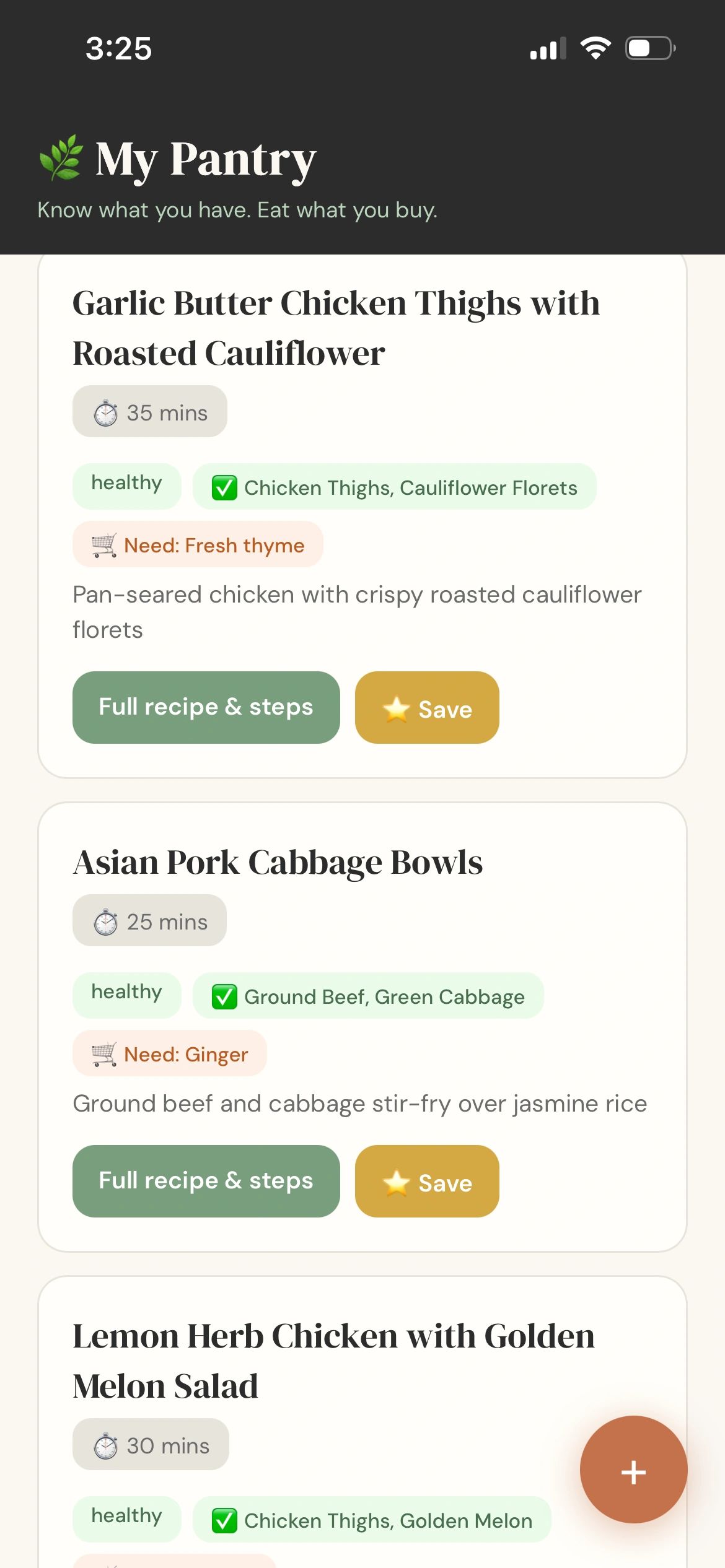
And the coolest thing? It generates recipe suggestions organized by breakfast, lunch, drinks (like smoothies), and dinner, based entirely on what I actually have on hand, learning from the recipes I rate and save over time.
The dashboard shows total items, what’s expiring soon, and everything organized by location.
The Process
I want to be honest: it wasn’t seamless. There were quite a few technical hurdles along the way. Again - not a developer! Browser security restrictions meant we had to set up a small backend server. Free hosting tiers kept going to sleep mid-request. I iterated... a lot ... over many days. We worked through all of it, one conversation at a time, mostly because I could describe what was going wrong in plain English and Claude could help me figure out what to try next.
When I wanted to add new storage locations, it took a few minutes. When the recipe feature kept timing out as my inventory grew, we rethought how it was built. When I decided I wanted 15 recipe suggestions instead of 3, organized by meal type, and smarter about what I’d liked before, we rebuilt it.
Recipe suggestions pull from my actual inventory, are organized by meal type, prioritize using food that will expire soon, are programmed to offer healthy choices, let's me know right away what I might need to buy, and remembers what I liked before.
The Bigger Picture
The food waste piece is genuinely important to me. Three garbage cans of food is a lot, and I know I’m not alone in that. But what stuck with me most from this whole process was how accessible it felt once I stopped waiting for someone else to build the thing I needed and just started doing it.
AI didn’t build this for me. We built it together, and the quality of what came out was directly tied to how clearly I could articulate what I actually needed. That’s something anyone can get better at, and honestly, it’s increasingly the skill that opens the most doors.
Want to Talk About It?
If you’re curious about what this kind of AI-assisted building could look like for your work or your organization, I’d love to have that conversation. And if you’ve got a fridge full of mystery ingredients and no idea what’s about to expire, well, I know a tool for that too.