When AI Is the Villain and the Hero
Most of the writers I know are terrified of AI. Most of the L&D leaders I work with are trying to adopt it as fast as they can. I live in the middle of those two worlds.
Over Thanksgiving, I was talking with my niece about AI. I told her how much I love it, and she looked genuinely surprised. She said most “creative people” she knows want nothing to do with it. A few days later, I saw a post in a writers’ group asking if anyone uses AI, and almost every comment was firmly against it.
That pretty much sums up the tension I live in: A corporate world racing to implement AI everywhere, and a creative world that largely opposes it.
I'm an author under a pen name, currently working on my third book. If I posted something like this on any of my author accounts, I am fairly sure it would get backlash. On LinkedIn, there is a bit more openness to talking about how AI can support both creativity and business, so this space feels...safer.
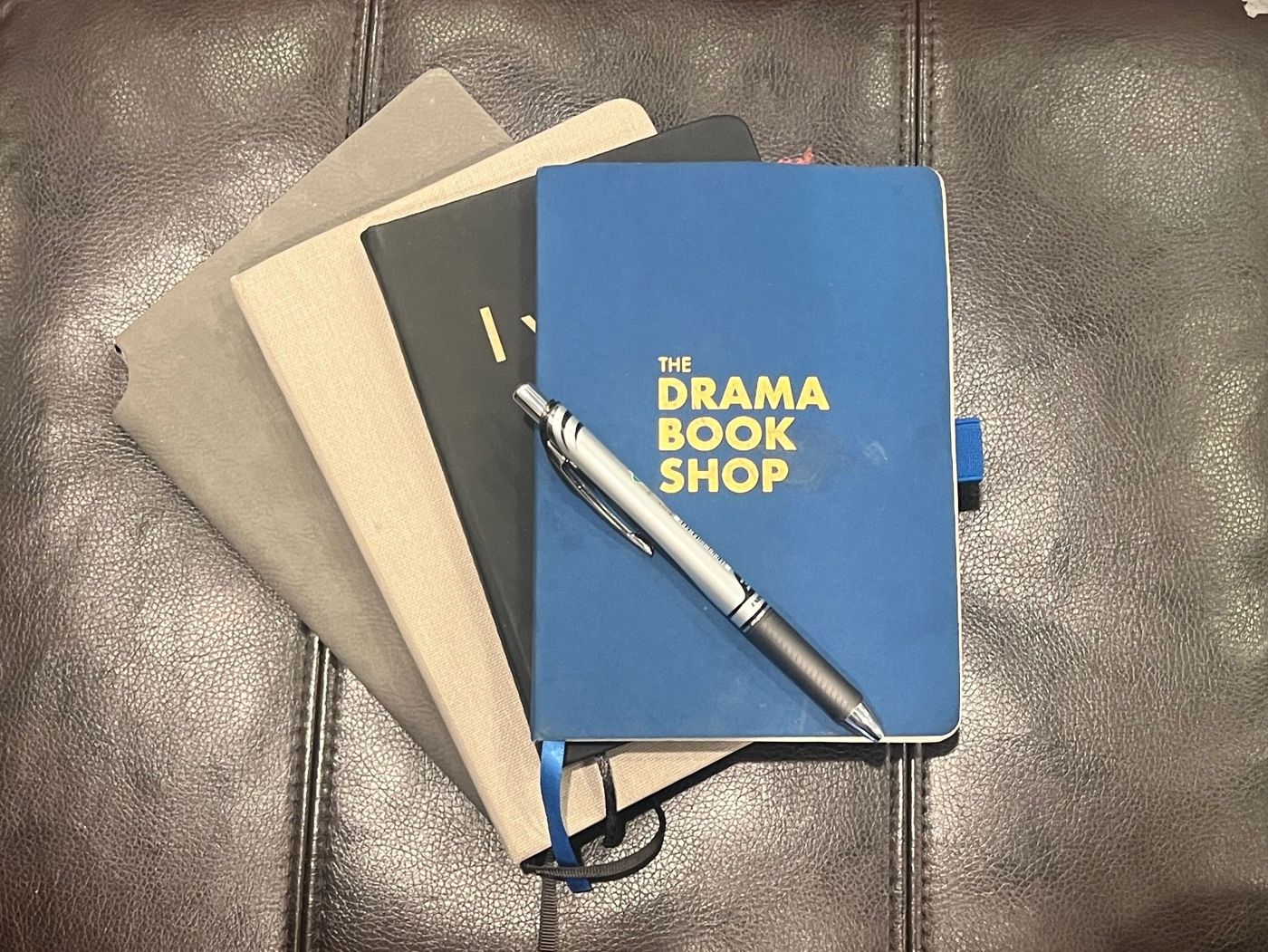
Here is the truth. I published my second book in 2017 and have been stuck on book three ever since. Years of spinning with no clear direction.
However, in the last 6-12 months, I've made tremendous progress. AI has not written my book for me. But without it, I wouldn't be anywhere close to finishing.
Here is how I use it as a writer:
- Transcription and cleanup: I write a lot by hand. AI transcribes it, fixes spelling, and cleans up the mechanics so I can stay focused on the story instead of the keyboard.
- Copyediting: Early edits help me focus on emotional beats, pacing, and character work. I still plan to hire a human editor before anything is published.
- POV and tense conversion: Half the draft was third-person present, half first-person past. AI helped unify it so I did not lose weeks to mechanical rewriting.
- Research and brainstorming: I can ask for ideas tied directly to my plot, themes, and characters instead of wading through generic internet searches.
- Character alignment: Sometimes I feed scenes in and ask whether motivations feel consistent or if the pacing works.
- Dialogue support: One character is very sarcastic. I am not. AI helps me find possible lines and tones, and then I work with them until they sound like my character. This is the one use that still gives me pause. I'm not sure I could've written this character the same way without AI. Does that mean my book is now ‘written by AI’? In a small way, yes. But if I held back just so I could say the book was 100% written by me instead of 99.9%, I would be shortchanging the character, the reader, and the story. The story is stronger when that character feels real. That is the conundrum I'm trying to navigate.
So yes, AI sometimes tries to write for me. It is definitely tempting to take a line and drop it straight into the draft. I resist that. I revise, rewrite, and reshape until it feels like it's authentic to my "voice."
Ultimately, the story is mine, and the choices are still mine. But most importantly, I'm writing again! The third book finally has direction, and after eight years of feeling stuck, that feels simply incredible.
It also raises a question I wrestle with almost every day: Where is the line between using AI as a catalyst and letting it do too much?
In my professional world in L&D, instructional design, and consulting, AI is often celebrated. In my creative spaces, it is treated like something dangerous. I have always been pretty tech-forward and I also love the creative arts, so I often feel pulled between the two. Not because I am wary of AI, but because I embrace it, and that can make me feel like a bit of a villain in creative spaces.
And son a related note, I recently read a post about how easy it is to get stuck in AI “idea mode,” brainstorming strategies, plans, and outlines, and feeling productive without actually doing the work. That one hit a nerve. It's true for me in writing and in business.
So I've been paying a lot more attention to how I use AI, and how to keep my work recognizably mine while also moving forward..
Here is the framework I am experimenting with, both personally and in the work we do for clients:
TAP: Trim, Amplify, Personalize
- Trim the busywork. Let AI handle transcription, formatting, basic edits, and administrative tasks that drain energy from the real work.
- Amplify the tasks that matter. Use AI to pressure-test your thinking, surface options you had not considered, and explore “what if” scenarios, without letting it replace your judgment.
- Personalize the final output so your voice stays yours. Treat AI as a rough-draft helper or sounding board, then rewrite and refine until your fingerprints are all over the final result.
If you are experimenting with AI as a creative or in L&D, here are a few guardrails that help me stay honest about how I use it.
- In my business work, I let AI go first. It drafts the initial version of content, and then I step in to edit and align it with the client, the learners, and the strategy. It is a starting point, not the final word.
- In my creative work, I flip that order. I draft the scenes, the voice, and the emotional pacing myself. I use AI for research, brainstorming, and grammatical fixes, and let it help me refine things like consistency and tone after the first draft exists.
- In both spaces, I try to match AI time with “real work” time. If I spend an hour ideating with AI, I spend at least an hour actually writing, designing, or building so the work doesn't get stuck in the idea stage.
That is the balance I am learning to walk with Taproot, in my writing, and everywhere creativity and technology overlap.
I'm curious how this shows up for you. Where do you draw the line between AI as a catalyst and AI as a co-creator in your work? Have you embraced AI, are you still avoiding it, or are you somewhere in between?
If your team is interested in exploring how to integrate AI in a way that strengthens creativity and improves the learner experience, Taproot would love to be part of that conversation with you.
Author: Megan Gutierrez